
cropper
update
CHAMBER
SIGNAL MEDIA
update
  • CHAMBER SIGNAL
    • Chamber Legends
  • CHAMBER SIGNAL
    • The Chamber Ledger
    • The Sovereign Nation
    • The Digital Forge
    • The Chamber Operator
  • CHAMBER CULTURE
    • The Equity Beat
    • Community Nostalgia Keepers
  • CHAMBER NOSTALGIACHAMBER NOSTALGIA
    • Chamber Seasons
    • Regional Directory
  • CHAMBER CURRENTS
    • The Continental Current
    • Pride Lands
    • The International Corridor
May 25.2026
3 Minutes Read

How a 91-Year-Old’s Journey Can Inspire Those Afraid to Live Alone

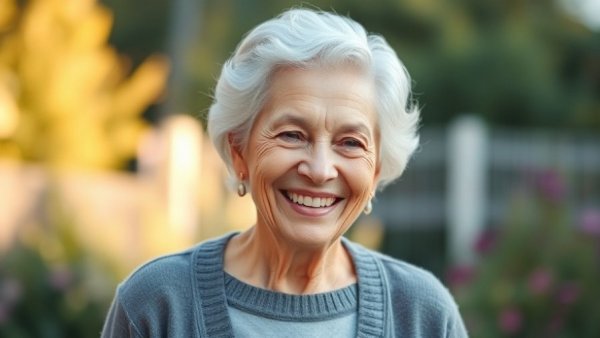
Elderly woman smiling, conveying contentment in living alone.

Embracing Loneliness: Lessons from a 91-Year-Old's Journey

In a world where the thought of living alone can feel like a looming shadow, the experiences of 91-year-old Cecily reveal a gentler truth: solitude can be misunderstood. "Everyone assumes I hate living alone," Cecily confides, capturing a sentiment many fear as they navigate their later years. Her heartfelt narrative invites us to explore the uncharted waters of aging and loneliness with a perspective that's as inspiring as it is honest.

In 'I’m 91. If You’re Afraid to Live Alone, Do These 5 Things First', Cecily's heartfelt sharing reveals valuable lessons that spark deeper reflection on solitude and community.

The Importance of Agency in Solitude

Living alone at 91, Cecily grapples with feelings of isolation that can resonate deeply with anyone transitioning into elderhood. She doesn’t shy away from the truth, sharing her journey of learning to accept her new reality after losing her lifelong partner, Harold. The turning point began when Cecily admitted, "I’m not fine. I’m not fine and I don’t have to be." This acknowledgment, she suggests, is where agency begins. No longer performing strength for others, she embraced her vulnerabilities, allowing space for authenticity.

Reviving the Forgotten Sounds of our Homes

One of Cecily’s most profound realizations came when she learned to listen to the sounds of her home again. In sharing her experience, she highlights an emotional journey of rediscovery. Sounds that were once mere background noise became significant reminders of her life and history—like the bird's song returning to her mornings. By learning to appreciate these moments, she discovered that silence doesn’t equate to emptiness; rather, it can be filled with rich, personal memories.

Breaking Down the Fortress: The Power of Connection

Isolation can become a silent predator, especially for those who live alone. Cecily’s story unfolds like a tapestry woven with connections. She shares how her neighbor, Sandra, and her kids reignited joy and laughter in her home, transforming her space from silence to vibrancy. For Cecily, opening the door—both literally and metaphorically—was a powerful choice that challenged her to lean into the community around her.

Learning New Skills: An Unexpected Burden of Progress

As Cecily navigated the practicalities of household management alone, she embraced the learning curve ahead of her. From lawn care to online banking, she faced the hurdles with grace, reminding readers that falling short is merely part of the journey. “Doing it badly is infinitely better than not doing it at all,” she assures. This lesson serves not only as encouragement for seniors but also for individuals transitioning from their careers who might feel out of place in their new roles.

Finding Joy in Unexpected Places

Cecily’s journey shows us that life continues to surprise us, even in our later years. Through laughter and shared moments with children and neighbors, she learned that joy can sprout in life’s smallest interactions. The memory of baking bread with neighbors, and even the mishaps along the way, painted a picture of hope and resilience that inspires us to find joy in our own lives.

Understanding Cecily's experiences is crucial for those navigating similar paths, especially past and current members of the Chamber of Commerce dealing with elderly care. It can cultivate a sense of community when we find ways to empower each other during life's transitions. Remember, living alone doesn't have to mean living isolated. Just like Cecily learned to share a laugh or a cup of tea, we, too, can reach out and foster connections that uplift and inspire.

Community Nostalgia Keepers

17 Views

0 Comments

Write A Comment

*
*
Please complete the captcha to submit your comment.
Related Posts All Posts
06.09.2026

Why Loneliness Among Seniors Matters: Insights from a 91-Year-Old

Update Understanding Loneliness in the Golden Years As we age, the world changes around us, and sometimes, it feels overwhelming. In her candid exploration, a 91-year-old woman shares her journey of distancing herself from people, shedding light on the often-unspoken feelings of loneliness and isolation that can accompany aging. This journey is particularly relevant for community members grappling with elderly care and the transition from vibrant business ownership to the slower pace of life as a senior citizen.In the video, 'I’m 91. I Started Distancing Myself From People. Here’s Why...', the discussion dives into the feelings of loneliness faced by seniors, exploring key insights that sparked deeper analysis on our end. The Value of Connection vs. Distancing While social connections are vital to our well-being, the act of distancing can also be a form of self-protection. The 91-year-old in the video reflects on how maintaining relationships can sometimes bring stress and sadness. Understanding this delicate balance is important for those in leading roles, such as chamber members, as they navigate supporting the elderly in our community. The initiative must emphasize creating safe and enriching interactions for seniors, allowing them to feel included without feeling pressured. Changing Dynamics: From Business to Senior Life Transitioning from a fulfilling career to retirement is pivotal, often filled with mixed emotions. It's common for former business owners to feel a sense of loss when they step away from their roles, and for some, this may trigger feelings of loneliness. Engaging with local initiatives aimed at providing social space for these individuals can be a vital lifeline, ensuring they don't feel forgotten. Programs that encourage interaction among seniors can offer a way to form new connections while honoring their past lives and contributions. Community Solutions: Bridging the Loneliness Gap As the letter highlights, creating a collaborative community can mitigate feelings of isolation. Local chambers need to foster new programs, such as monthly senior meet-ups or skill-sharing workshops that can reignite passions and encourage camaraderie among the elderly. Implementing initiatives that cater specifically to seniors can keep them engaged, alleviating the loneliness that may set in. Hearing Their Voices: A Personal Perspective At times, its critical to hear directly from seniors themselves about their experiences. The stories they share can help us learn how to better support them. When the community actively seeks out these voices, it fosters understanding and compassion. As such, embracing their experiences will enrich our initiatives and ensure the needs of older members are met holistically. Empowering Elder Community Connections Ultimately, each step we take into understanding the elderly experience with loneliness can positively impact the community's cohesion. Hearing about the distanced sentiments from a 91-year-old woman opens avenues for much-needed conversations. As members of the chamber of commerce, we can turn these insights into action, ensuring our older adults remain empowered and connected. Being aware of the conversations surrounding aging can provide essential touchpoints for us as community members. By working together, we can redefine what it means to thrive in the golden years, transforming loneliness into a vibrant sense of community for seniors. So how can we, as engaging members, inspire this change? The conversation begins with us.

06.04.2026

Five Lies Families Tell About Nursing Homes and Elder Care

Update The Truth About Aging and Care: Five Misconceptions Debunked Have you ever noticed the small but significant shifts in your family dynamics as your loved ones age? Listening to a recent powerful narrative about a 91-year-old woman's close brush with life-altering decisions inspires us to examine the truths behind the conversations surrounding elderly care. The essence of her story reveals how often genuine affection can inadvertently nourish misleading assumptions about safety, happiness, and care for seniors.In 'I’m 91. The 5 Lies Families Tell Before Putting You in a Nursing Home,' the powerful discussion reveals essential truths about aging and caregiving that prompted a deeper analysis on our end. Understanding the Love Behind the Lies In the emotionally charged recollection of an elderly woman's confrontation with her own family, we learn the first shocking lie: 'We just want you to be safe.' At its surface, this statement appears to be nothing more than a fond expression of concern and care. However, when scrutinized, it unveils a deeper apprehension—fear of what aging entails and a desire to shield loved ones from perceived dangers. This lie is not just about safety; it gradually morphs into control, revealing how love and fear can sometimes overlap. What's Temporary, Anyway? Another misconception tackled is the idea that a nursing home stay is 'only temporary.' It's unsettling to consider that many think they can pause a loved one's life as if it has a reset button. The story poignantly illustrates how a promise of temporary care can mask the profound changes that come with relocation. Once inside these facilities, families often adjust their lives around the absence, leaving the elder in limbo—stuck between their past and a future they never chose. The Myth of New Friendships We often hear that seniors will 'make friends' in a nursing home, turning loneliness into a summer camp experience filled with card games and activities. But the reality—embodied by the woman's experience—is that these superficial interactions fail to replace deep, meaningful connections built over decades. True friendship is not a byproduct of proximity but rather shared experiences and emotional bonds that can't be replicated in a communal setting. Can Family Really Provide Care? The belief that 'we can’t take care of you ourselves' often hides the inconvenient truth that many family members simply lack the time or resources to provide adequate support. This acknowledgment can be bitter for older adults—who often dedicated decades to nurturing their families—when they realize their needs aren't prioritized. A community can't thrive if members view care as a burden rather than an opportunity for connection. Happiness: A Place or a State of Mind? Finally, the most damaging lie: 'You'll be happier there.' Happiness isn’t a physical place. It's not found in a room with carefully arranged hospital beds or in scheduled meal times. The key takeaway from this narrative illustrates that joy stems from autonomy—being able to enjoy your home, your routine, and the connections that matter the most. A quilt, a cup of coffee, and time spent with loved ones create a sense of fulfillment that no institution can match. This powerful reflection on life, love, and the painful decisions that confront us all serves as a reminder of the importance of honesty in communication about aging and care. It's essential for families to engage in these conversations openly, recognizing the emotional weight that accompanies them. If you find yourself at a crossroads in discussing elderly care, consider reaching out to local community resources, which can provide valuable guidance. Ultimately, the message we take away is clear: it’s not too late to foster genuine connections and advocate for the autonomy of our beloved elders, ensuring they live full, meaningful lives.

05.30.2026

91 Years of Wisdom: How Independence Brings Genuine Connections

Update Discovering the Power of Independence in Our Golden Years In a recent insightful video, Cecily Marrow shared her poignant understanding of aging, revealing that true respect often comes from embracing independence rather than leaning on others for support. At 91, her journey demonstrates a powerful lesson that resonates deeply with anyone transitioning into their senior years or grappling with the challenges of elderly care. Through her experiences, she learned that needing less opens the doors to receiving more genuine connections.In the video 'I’m 91. The Less I Needed People, The Better They Treated Me', Cecily Marrow explores the journey of finding respect through independence, offering profound insights that resonate with many. The Hidden Cost of Being 'Needed' As Cecily reflected on her life, she delves into a common yet often unrecognized phenomenon: when we present ourselves as needing help, it inadvertently positions others in a controlling role. This correlation can cause relationships to strain under the weight of obligation. Her journey began after the loss of her husband, Harold, at a time when many might expect an outpouring of support. Yet, Cecily found the love offered was laced with pity, wrapped neatly in casserole dishes meant to relieve the guilt of those who brought them. "They weren’t food. They were guilt wrapped in aluminum foil," she said. Cecily learned that she had to suppress her needs to foster genuine relationships, something that's not uncommon for many seniors who feel diminished or overlooked. Shifting Perspectives: How Independence Changed Everything Upon reflecting on conversations with her children and friends, Cecily made a decision to stop needing them. She shared how this choice led to an unexpected shift in her relationships. Instead of receiving obligatory calls filled with concern, she found her children reaching out willingly, motivated by love rather than obligation. The moment her daughter Helen asked, "Mom, what are you up to this weekend?" marked a pivotal change, showcasing how stepping back can lead to deeper, more meaningful connections. This new dynamic instigated a sense of freedom for Cecily—one that many can identify with in the complexities of familial roles. The Role of Genuine Connection in An Aging Society Cecily's journey exemplifies the importance of genuine connection, especially as we age. By prioritizing independence, seniors can foster environments where love thrives, untainted by the burden of caregiving relationships. Guests no longer come as caretakers but as cherished friends and family members wanting to engage authentically. This powerful reminder that fear often drives both the need for connection and the need for independence is crucial for seniors and those involved in elderly care. Finding Joy in Solitude While Cecily learned to appreciate her own company, engaging in solitary activities like watching birds, this did not mean distancing herself from love. She mentioned that solitude became a pathway to rediscovering her identity, a crucial aspect for anyone facing the identity shifts that accompany aging. By embracing solitude, we permit ourselves to grow into who we are without the preconceived notions that come from others. As Cecily articulated, "You don’t find out who loves you by needing them. You find out who loves you by being whole enough that their presence is a gift, not a rescue." This perspective can be liberating, offering a transformative narrative for the aging population. The Art of Saying 'No' As Cecily became more certain of her identity, she also learned the strength in saying "no." This newfound self-awareness extended to her declining invitations that may drain her energy or time. Instead, she chose what resonated with her own joys and interests. Each "no" was a form of empowerment, allowing her to shape her life according to her wants, not merely others’ expectations. This lesson offers a clear takeaway for seniors navigating social circles fraught with pressure to conform or participate when they may not feel inclined. Ultimately, Cecily’s journey embodies a deeper truth about aging and interpersonal relationships. By learning to let go of the need for validation from others, she uncovered her authentic self, embodying a lesson that can guide countless others transitioning into their senior years. The experience of redefining relationships and personal worth fosters an essential dialogue around elderly care, encouraging communities to support their aging members in embracing their independence. For the chamber of commerce past and current members, Cecily’s insights serve as a reminder to engage authentically with our elders and to approach caregiving not as a measure of duty, but as an opportunity for true connection. This shift in perspective can ultimately strengthen our community bonds, and may encourage more meaningful interactions for seniors navigating their golden years.

Terms of Service

Privacy Policy

Core Modal Title

Sorry, no results found

You Might Find These Articles Interesting

T
Please Check Your Email
We Will Be Following Up Shortly
*
*
*