

cropper
update
CHAMBER
SIGNAL MEDIA
update
  • CHAMBER SIGNAL
    • Chamber Legends
  • CHAMBER SIGNAL
    • The Chamber Ledger
    • The Sovereign Nation
    • The Digital Forge
    • The Chamber Operator
  • CHAMBER CULTURE
    • The Equity Beat
    • Community Nostalgia Keepers
  • CHAMBER NOSTALGIACHAMBER NOSTALGIA
    • Chamber Seasons
    • Regional Directory
  • CHAMBER CURRENTS
    • The Continental Current
    • Pride Lands
    • The International Corridor
April 30.2026
3 Minutes Read

Discover the 5 Pillars of Support After 60: Lessons from Cecily

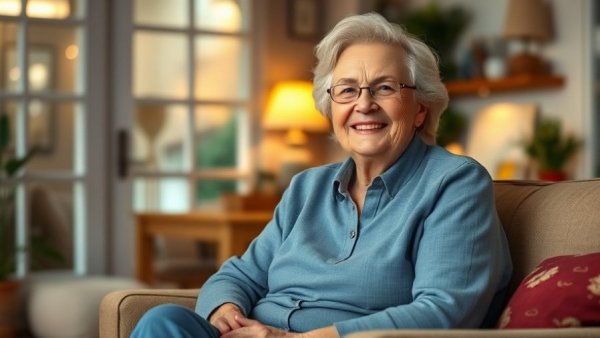
Smiling elderly woman indoors, pillars of support after 60, cozy home.

Building Your Own Pillars: A Journey Beyond Support

In her poignant video, "I’m 91. After 60, Your TRUE Support Is Not in Family or Friends. It Is in These 5 Pillars," Cecily offers a profoundly personal reflection on the essential foundations we need as we age. With deep sincerity, she recounts her life experiences that taught her that the support of family and friends, while invaluable, isn’t the sole anchor we can rely on as we navigate the later stages of life. Here are the five pillars she discovered that are crucial for personal resilience and well-being after 60.

In 'I’m 91. After 60, Your TRUE Support Is Not in Family or Friends. It Is in These 5 Pillars,' Cecily shares her remarkable life lessons, prompting us to delve deeper into the importance of these insights.

The Importance of Silence

One of the most revealing lessons Cecily shares is her journey into the heart of silence. After the tumult of her earlier years filled with laughter, children, and the lively chatter of daily life, she found that true solitude doesn’t equate to loneliness. Instead, it offers a chance for self-discovery and peace. This newfound comfort with silence transformed her perspective, as she learned to embrace her own company, recognizing it as a source of strength rather than a void to be filled. For many individuals transitioning from active work life to retirement, this lesson in silence is crucial. It invites a moment of reflection—what do we discover about ourselves when the distractions are stripped away?

Creating Purpose with Small Acts

Cecily’s experience with painting and crafting letters reminds us that purpose can emerge from the simplest of activities. Engaging in these acts allows us to reconnect with ourselves, to manifest our creativity, and to find joy in the present moment. As we age, it’s vital to identify new passions or hobbies that resonate deeply—these pursuits provide not only a sense of purpose but an emotional uplift. For those shifting from business ownership to retirement, creating tangible experiences, even mundane ones, can craft a meaningful daily routine that enriches life.

Asking for Help: A Strength, Not a Weakness

The third pillar Cecily emphasizes is the importance of vulnerability. In a world that often praises self-sufficiency, admitting we need help can feel uncomfortable. Yet, Cecily learned that reaching out is a strength that fosters deeper connections rather than a sign of weakness. For seniors who have spent much of their lives caring for others, recognizing this need for support can be liberating. It invites a community of care into our lives—one that respects and understands our fragilities.

Facing Death: Embracing Life

Perhaps the most profound lesson revolves around framing our relationship with death. Instead of fearing it, Cecily teaches us to acknowledge it as a part of life that can motivate us to live more fully. By cherishing everyday moments, such as using the good china on any given Tuesday, we cultivate a mindset that prioritizes meaningful experiences over the mundane. This perspective can be particularly resonant for those who’ve experienced loss, inviting reflection on how every day can be a new opportunity rather than a burden.

Defining Yourself Beyond Titles

The final pillar reflects a vital transition—separating our identities from societal roles. For many who have defined themselves as business owners, parents, or community leaders, exploring who you are outside of these titles can be daunting yet empowering. As Cecily discovered, reconnecting with personal interests and passions builds a self that stands independently, ready to embrace the world without needing validation from others. This insight is especially significant for retired business owners, prompting a re-examination of personal growth and identity.

In her heartfelt narrative, Cecily’s five pillars serve as guiding lights for seniors navigating the complexities of aging. Recognizing that true support can come from within, rather than solely from the external world, allows us to build lives filled with purpose, connection, and genuine self-identity. As you reflect on your own life, consider these pillars and how they might reshape your journey ahead.

Take action today to explore these pillars in your own life. Discuss them with family or neighbors, or jot down your thoughts about how you can incorporate them into your daily routine. The best time to start building your support system is now!

Community Nostalgia Keepers

6 Views

0 Comments

Write A Comment

*
*
Please complete the captcha to submit your comment.
Related Posts All Posts
05.10.2026

Lessons from Cecily: The Impact of Growing Old Alone

Update The Quiet Unraveling of Growing Old Alone Cecily's poignant reflections on loneliness resonate deeply with many in our community, especially those navigating the challenges of aging. As she shared, growing old alone can be a series of small silences that accumulate into profound loneliness, not the dramatic isolation that one might expect. At 91, Cecily's story offers insight into the struggle of maintaining one's identity amidst the silence and routine that often accompany old age. She reminds us that while life continues outside our homes, the emotional experience of loss—losing a partner, children growing up, and the echoes of a once-vibrant household—can leave behind a haunting silence.In 'I'm 91. Let Me Tell You What Really Happens When You Grow Old Alone,' Cecily shares her profound truths about aging, illuminating key issues that sparked deeper reflections on our end. Life After Loss: Understanding Grief The shock of loss is a universal experience, but Cecily captures the essence of how ordinary life moves on, creating a jarring contrast to personal grief. "It’s not the sadness that breaks you. It’s the ordinary,” she observed, highlighting how mundane events reveal the depth of personal sorrow. When Harold passed away, it wasn't just an end; it was the abrupt realization that life doesn’t pause for our grief. This perspective is crucial not only for those who are aging but also for younger generations who may not fully understand the emotional aftermath of losing a loved one. Finding Meaning in the Ordinary Her story is enriched by the vivid imagery of her home, a three-bedroom colonial steeped in memories. The pencil marks on the doorframe that charted her children's growth serve as a bittersweet reminder of time past. Each room holds its own ghost, echoing with laughter, arguments, and celebrations. Through these details, Cecily illustrates a profound truth: finding meaning in the ordinary can provide comfort. The quietness of her home reflects not just emptiness but a life lived and loved—an important lesson for all of us navigating our own daily routines. The Importance of Connection: Community and Care As Cecily transitioned to living in her daughter's home, she experienced an all too familiar struggle: feeling invisible and like a burden. This speaks to a broader issue within our community—how we care for our elderly. Her experience with her daughter and son revealed the delicate balance of independence and support that many face as they age. It's a gentle reminder that aging does not merely mean needing care but also maintaining a sense of self-worth and identity. Cecily's life is a testament to the importance of community connection; she found grace, purpose, and renewed sense of belonging not through dependence but by proactively engaging with her neighbor, Maria, who needed help just as much as Cecily did. Creating Bonds Over Shared Needs Her relationship with Maria illustrates that the cure for loneliness isn't necessarily moving in with family or hiring help—it's finding someone who needs you just as much as you need them. The Saturday mornings filled with laughter and stories exchanged over homemade cakes became the antidote to Cecily's feelings of isolation. This relationship underscores the importance of community ties and how they can enrich our lives in unexpected ways. It also encourages current and past Chamber members to foster connections that go beyond traditional frameworks—building relationships where all parties involved can thrive. The world is filled with opportunities for connections; Cecily’s narrative highlights how it often takes the smallest acts, like baking a cake, to bridge the gaps between generations. In closing, as Cecily's story illustrates, we all have a role to play in supporting our elderly community members. It's about finding joy in the mundane and recognizing that we, too, can be a source of light and life in someone else's home.   Join the Conversation Aging can be daunting, but it’s also an opportunity for growth and connection. I encourage everyone to reach out to a neighbor or an elderly community member who may be feeling alone. Share a meal, swap stories, offer assistance, or simply enjoy each other’s company. Let’s reinforce the fabric of our community by nurturing these important relationships.

05.05.2026

Why You Should Ditch Common Time Wasters After 50 for a Fulfilling Life

Update What to Ditch After 50: A Guide to More Fulfilling Living As we navigate life beyond 50, it's crucial to step back and assess how we spend our time. The video titled 5 Things That Are a WASTE OF TIME After 50 (And Almost Everyone Learns Too Late) shines a spotlight on common pitfalls that many later regret. We live in a society that often equates busy-ness with productivity, but more often than not, it’s about making meaningful choices that foster enrichment in our lives.In 5 Things That Are a WASTE OF TIME After 50, the discussion dives into the common pitfalls of wasted time and the importance of prioritizing meaningful activities in our lives. Prioritizing What Truly Matters Understanding where our time and energy should be directed can significantly impact our well-being. Many find themselves caught up in obligations that no longer serve their passions or priorities, especially as they transition from active careers into retirement. Evaluating what brings joy and fulfillment is essential; after all, you’ve earned the right to savor life! Emotional Connections Over Profound Disconnections One of the key aspects highlighted in the video is the tendency to maintain relationships out of obligation. After the age of 50, many make the conscious decision to nurture emotionally supportive connections instead of those that drain their spirit. Surrounding yourself with vibrant, affirming individuals can drastically improve your quality of life as you age. Quality vs. Quantity: The Social Engagement Dilemma It's easy to fall into the trap of wanting to do everything, often leading to too many social engagements that result in exhaustion. Instead, focus on fewer gatherings that feel meaningful. This not only fosters deeper connections but also allows you to invest your time and energy wisely. Discovering the joy in intimate gatherings or community events can invigorate your spirit! Transforming Leisure Time Into Enrichment Leisure time should be just that—leisure! Many people in their 50s and beyond grapple with the need to stay busy; however, not all activities are enriching. Opting for activities that inspire creativity, personal growth, or connect you with your community can provide a rejuvenating sense of fulfillment. Consider joining a local art class, volunteering, or engaging in a new hobby that excites you. From Regret to Awareness The essence of the discussion revolves around growing awareness. It’s about realizing what’s essential for happiness rather than simply filling the calendar with 'busy' tasks. This transformation leads to a mindful approach to life beyond 50, where you actively choose how you invest your days. If you're ready to reflect and reclaim your time, consider discussing these revelations within your Chamber community. There’s an entire network of seniors like you, eager to share insights and make the most of their golden years—so why not pave the way together?

04.25.2026

Embrace Your True Self: Lessons on Kindness from Cesily

Update Understanding the Cost of Being 'Nice' The story of Cesily, a 91-year-old who has gracefully transitioned through decades, sheds light on a struggle many can relate to: the pressure to conform and be 'nice.' For years, Cesily felt compelled to keep up appearances, always saying yes, always smiling, while ignoring her own needs and boundaries. Acknowledging the distinct difference between niceness and kindness, she declares, "Nice is when you do something because you're terrified of what happens if you don't." This revelation often hits home for many who have spent their lives pleasing others to the detriment of their own happiness.We came across 'I’m 91. Here’s What I Stopped Doing To Please Others (And Why You Should Too)', which covers the significant transition from performing niceness to embracing authenticity, and it raised compelling points that we’re expanding on in this article. The Burden of Expectations Cesily’s reflections highlight a critical truth—many women, especially caregivers and community leaders, often absorb the expectations placed upon them by family, friends, and society. This pressure can create a facade that feels necessary to maintain harmony. She recalls instances from her life, including volunteering for every community event and absorbing her children's emotional turmoil—actions rooted not in genuine desire, but rather in obligation. It's a sentiment that resonates deeply, particularly among current and former chamber members who often juggle commitments as they transition into retirement and care for loved ones. Breaking Free: The Art of Saying No One of Cesily’s most profound revelations came when she learned the power of saying no without apology. A practice aimed at reclaiming her time and emotional space led her to experience liberation from a lifetime of obligation. "I finally stopped being nice," she proclaims, echoing a sentiment that can empower others in similar situations. The ability to prioritize oneself is a vital skill, particularly for those adjusting to life after active business ownership, where boundaries often blurred due to constant demands. Recognizing Personal Needs As she shared her journey, Cesily emphasized the importance of understanding one's own feelings and needs. For members of the Chamber looking to support elderly care, this insight serves as a gentle reminder: it is essential to recognize the emotional gravity of caregiving. By caring for oneself first, one can provide better support to others. Cesily learned to express her true feelings, whether it was stating her discomfort or revealing her sorrow after her husband’s death—lessons valuable to anyone navigating complex relationships or family dynamics. Finding Freedom and Authenticity The most liberating part of Cesily’s journey is not just the rejection of niceness but the embrace of authenticity. By shedding the layers of performance designed to keep others comfortable, she found a deeper connection with herself and her loved ones. "I like you better now," her son tells her, recognizing the shift from a woman who was merely present to one who is vibrantly alive and engaged. This authenticity fosters real relationships that nurture rather than drain. For Chamber members, this means creating connections that can uplift both themselves and their community. If you find yourself resonating with Cesily's message, it's important to take small steps: begin to embrace your own needs, practice setting boundaries, and perhaps most importantly, remember that you do not owe anyone your comfort at the expense of your well-being. As you embark on this journey, keep Cesily's words close: "Let go. Not all at once. You don't have to burn anything down. Just start with one no, one honest answer." So take action today—reflect on how you can establish those boundaries to nurture both your spirit and your community.

Terms of Service

Privacy Policy

Core Modal Title

Sorry, no results found

You Might Find These Articles Interesting

T
Please Check Your Email
We Will Be Following Up Shortly
*
*
*